
Examples of Essays: Comparative Essays
Comparative essays are essays that seek to compare and contrast various variables by evaluating the similarities and differences between them. In our PREVOIUS BLOG, we looked at the various tips of writing a comparative essay. In this blog, we will look at an example of a comparative essay. This blog is brought to you by HomeWork Kingdom, the best essay writing service in Saudi Arabia. HIRE US today for professional writing services in all disciplines.
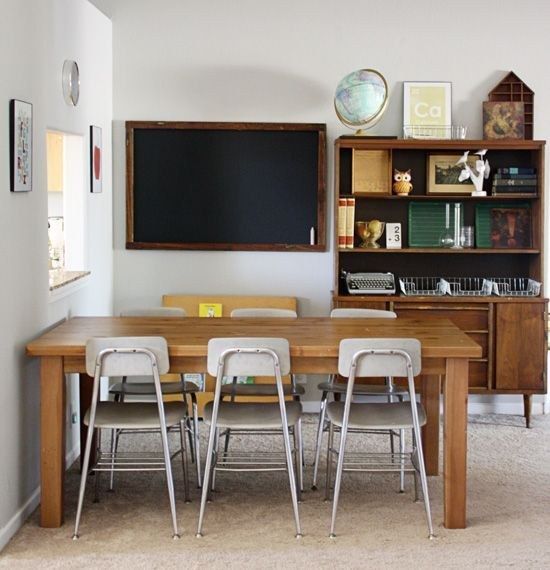
A Comparison and Contrast of Traditional Education and Online Learning
Introduction
Education has undergone a significant transformation in recent years with the rise of online learning platforms. While traditional classroom settings have been the longstanding norm, the advent of digital technologies has introduced new possibilities for acquiring knowledge. This essay aims to compare and contrast traditional education with online learning, exploring their distinctive features, advantages, and drawbacks.
Body Paragraph 1
The learning environment significantly differs between traditional and online education. In traditional settings, students physically attend classes, fostering face-to-face interactions with instructors and peers (Artur, 2023). This immediate presence allows for spontaneous discussions, questions, and real-time feedback, contributing to a sense of community. Extracurricular activities, such as clubs and events, further enhance the overall educational experience. On the contrary, online learning shifts the classroom to a virtual space, where students access courses and materials through digital platforms (Artur, 2023). While offering flexibility, this setup lacks the immediacy of traditional classrooms, relying on asynchronous communication. For instance, discussions occur in forums and through emails or video conferencing tools. The choice between these environments hinges on individual preferences, educational goals, and the desired level of
Body Paragraph 2
The dynamic between teachers and students plays a pivotal role in shaping the educational experience. According to Harris (2023), in traditional classrooms, the immediacy of face-to-face interaction allows for nuanced communication, immediate clarification of doubts, and personalized guidance. Teachers can observe students' non-verbal cues, adapt their teaching strategies on the spot, and foster a supportive learning atmosphere. This direct engagement contributes to a sense of connection and accountability. Conversely, online learning alters this dynamic, as interactions occur through digital mediums (Harris, 2023). While virtual platforms offer flexibility, the absence of physical presence may hinder the depth of teacher-student relationships. Communication relies heavily on written forms, such as emails or discussion boards, potentially leading to delayed responses. Striking a balance between these modes is crucial, ensuring effective communication and meaningful engagement, irrespective of the learning environment.
Body Paragraph 3
Equitable access to resources is fundamental in determining educational outcomes. In well-funded schools, students often benefit from extensive libraries, advanced laboratories, and extracurricular opportunities (Stevens et al., 2021). Adequate learning materials, modern technology, and a variety of academic tools enhance the overall educational experience. Conversely, underprivileged schools may face resource constraints, limiting students' exposure to diverse learning materials and hindering practical, hands-on experiences (Stevens et al., 2021). Furthermore, the digital divide exacerbates these inequalities, as students with limited access to technology may struggle to keep pace with the evolving educational landscape. Bridging this gap is imperative for creating an inclusive learning environment where every student, regardless of socio-economic background, can access the necessary resources to foster academic growth and development.

Conclusion
In conclusion, both traditional education and online learning offer unique advantages and challenges. The choice between them depends on individual preferences, learning styles, and specific educational goals. Traditional education emphasizes face-to-face interaction, a structured environment, and social engagement, while online learning provides flexibility, convenience, and accessibility to a broader audience. As technology continues to evolve, the education landscape will likely witness further integration of both approaches, providing learners with diverse options to meet their educational needs.
References
Artur, E. (2023, September 10). Similarities and differences between online education and Face-to-Face education. Medium. https://medium.com/@elif_artur/similarities-and-differences-between-online-education-and-face-to-face-education-cf0be13f1753
Harris, R. (2023, January 7). Online Learning vs Classroom Learning: Detailed Comparison. NutMeg Education. https://nutmegeducation.com/online-learning-vs-classroom-learning
Stevens, G. J., Bienz, T., Wali, N., Condie, J., & Schismenos, S. (2021). Online university education is the new normal: but is face-to-face better?. Interactive Technology and Smart Education, 18(3), 278-297.
Disclaimer
This essay is separated into its various components i.e., introduction, body and conclusion for demonstration purposes. Do not label your essay into the various parts. You only need the title.
📚 Ticket; TRANSFER 1,3416 BTC. Get => https://telegra.ph/Go-to-your-personal-cabinet-08-26?hs=0b4b93374462f42237433f5572e532e9& 📚
xfns2s
Reply